, , ,

The Western Canadian Mental Health & Education Summit | Day Two [Edmonton, AB]

$229.00

6 Hours  |   Pre-approved for CEU’s

Presenter
Presented by Denise Nowicki, Ph.D., B.Ed., B.Sc., and Robert T. Muller, Ph.D., C. Psych.
Date and Format
December 8, 2026
somdn_product_page

LIVE STREAM: December 8, 2026 from  8:30am – 4:00pm (Edmonton, AB) Please adjust your start time according to your specific time zone. 

ON-DEMAND: Recorded footage & course content (certificate, videos, quiz) will be available until January 17, 2027. Please allow 3 – 10 business days for footage to be processed. Extensions cannot be granted under any circumstances.


Day Two – December 8, 2026


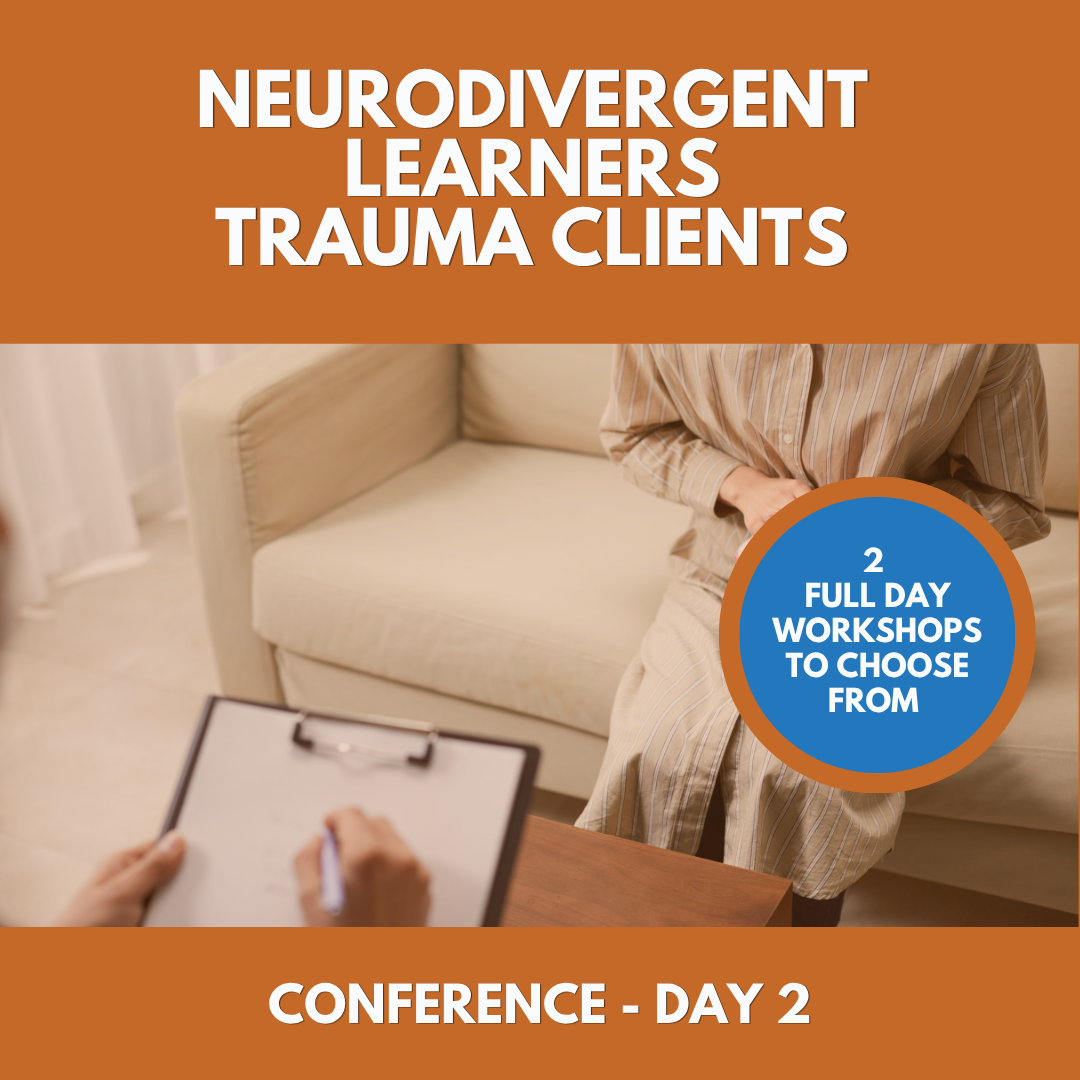
3. Supporting Neurodivergent Learners: Understanding Autism Spectrum Disorder Through a Strength-Based Lens
Presented by Denise Nowicki, Ph.D., B.Ed., B.Sc.

8:30am – 4:00pm   December 8, 2026

WORKSHOP DESCRIPTION 

Autism Spectrum Disorder (ASD) is a neurodevelopmental difference that influences how individuals experience, process, and interact with the world around them. While autistic individuals possess strengths, talents, and unique perspectives, they are often misunderstood in educational and counselling settings. Behaviours that may appear oppositional, withdrawn, rigid, or socially inappropriate are frequently rooted in differences in communication, sensory processing, emotional regulation, executive functioning, and social understanding rather than a lack of motivation or willingness.

This engaging and practical workshop helps educators and counsellors move beyond stereotypes and develop a deeper understanding of Autism Spectrum Disorder through a strengths-based, neurodiversity-affirming lens. Participants will learn to recognize common indicators of ASD, understand how autism may present differently across individuals and age groups, and explore practical strategies that promote inclusion, belonging, emotional well-being, and success.

Through interactive activities, case studies, simulations, and reflective discussions, attendees will gain tools to better support autistic students and clients while fostering compassionate, meaningful relationships.

4. Therapeutic Relationship Strategies to Treat Challenging Trauma Clients
Presented by Robert T. Muller, Ph.D., C. Psych.

8:30am – 4:00pm   December 8, 2026

WORKSHOP DESCRIPTON 

This practical workshop, led by Dr. Robert T. Muller, author of psychotherapy bestsellers, “Trauma & the Struggle to Open Up,” as well as “Trauma & the Avoidant Client” , builds our understanding of the therapeutic relationship with challenging trauma clients.

As therapists, we try to maintain a strong therapeutic relationship, but this is easier said than done.  Drawing on attachment theory and research, and using a relational, integrative approach, the workshop follows the ups and downs of the therapy relationship in trauma work.  We look at choices therapists make in navigating the process, examining how they affect outcome.

Specifically, we look at relationship patterns in trauma work, and how these can lead to troubling therapist-client enactments.  When left unchecked, such patterns lead to ruptures in the relationship.  In trauma work, how do we repair a ruptured alliance?  And how can we help clients grow from the experience?  This workshop looks at such issues in detail.

Theory is complemented by case examples and therapy segments.  We draw particularly from Dr. Muller’s book, Trauma and the Struggle to Open Up, winner of the 2019 ISSTD award for the year’s best written work on trauma.
  • Understand the characteristics, diversity, and strengths associated with Autism Spectrum Disorder (ASD).
  • Recognize common indicators of ASD across age groups and settings.
  • Reframe behaviours through a neurodevelopmental and neurodiversity-affirming lens.
  • Apply practical strategies that support communication, emotional regulation, learning, and participation for neurodiverent learners.
  • Build capacity in autistic individuals by fostering self-awareness, self-advocacy, independence, and adaptive skills that support long-term success and well-being.
  • Foster supportive, respectful, and inclusive relationships that promote belonging and well-being.

  • Use an attachment theory framework in relational trauma work
  • Recognize therapist-client relationship patterns in trauma treatment
  • Consider their own (therapist’s) feelings in the therapeutic process (e.g. the wish to rush into trauma work, or the wish to avoid it)
  • Notice problematic relational enactments
  • Navigate conflicts and relational ruptures to get treatment back on track
  • Use conflicts and relational ruptures to bring about posttraumatic growth

For more than 30 years, I have worked as an educator across K–12 and post-secondary settings, as a teacher, principal, and registered psychologist. Throughout my career, I have been committed to supporting learning, mental health, and well-being across the lifespan.

As a registered psychologist in Alberta and BC, I work with individuals of all ages and backgrounds. I have particular interest in working with children and youth who present with complex behavioural needs, including autism spectrum disorder (ASD) and fetal alcohol spectrum disorder (FASD). My practice focuses on comprehensive psychological assessment, evidence-based intervention, and collaborating with families, schools, and community partners to support meaningful outcomes.

My research interests centre on the experiences of transgender and gender-diverse individuals and their families, with a focus on promoting understanding, inclusion, and affirming supports. I value integrating research, clinical practice, and education to improve the lives of the individuals and communities I serve.

Outside of work, I am the proud parent of three wonderful children – four if you include my husband. I love animals, enjoy surrounding myself with plants (despite definitely having one too many), and appreciate finding joy in the small things.


Robert T. Muller, Ph.D., C.Psych. is on faculty as a Full Professor of Clinical Psychology at York University, is a Fellow of the International Society for the Study of Trauma & Dissociation (ISSTD); and both of his books have won ISSTD’s award for the best written work of the year on trauma.  He has over thirty years of clinical experience in the field, and maintains an active private practice in downtown Toronto. Throughout his professional career, Dr. Muller has been practicing, teaching, and supervising in the areas of trauma, attachment, and psychotherapy. He is the author of the award-winning psychotherapy bestseller, Trauma and the Avoidant Client: Attachment-Based Strategies for Healing, published by Norton Press. In addition, he has authored numerous scholarly articles, book chapters, and grants, and is currently lead investigator in a provincially-funded, multi-site program for the assessment and treatment of intra-familial trauma. He completed his clinical training at Harvard University, and has been active in the field since then.

Education and Clinical Professionals: All education and mental health or healthcare professionals who work with children or youth including, but not limited to K–12 Classroom Teachers, School Counsellors, Learning Assistance/Resource Teachers, School Administrators, School Paraprofessionals including Special Education Assistants, Classroom Assistants and Childcare Workers • All other professionals who support behavioural challenges and complex learning needs including but not limited to: Nurses, Social Workers, Psychologists, Clinical Counsellors, Family Therapists, Occupational Therapists, Speech Language Pathologists, Addiction Counsellors, Youth Workers, Mental Health Workers, Probation Officers and Community Police Officers.

Shopping Cart