LIVE STREAM: October 28, 2026 | 8:30 AM–4:00 PM (Victoria, BC)
Please adjust your start time according to your specific time zone.
ON-DEMAND ACCESS: Recorded footage and course content, including certificate, videos and quiz, will be available until December 7, 2026. Please allow 3–10 business days for footage to be processed.
Extensions cannot be granted under any circumstances.
Day One — October 28, 2026
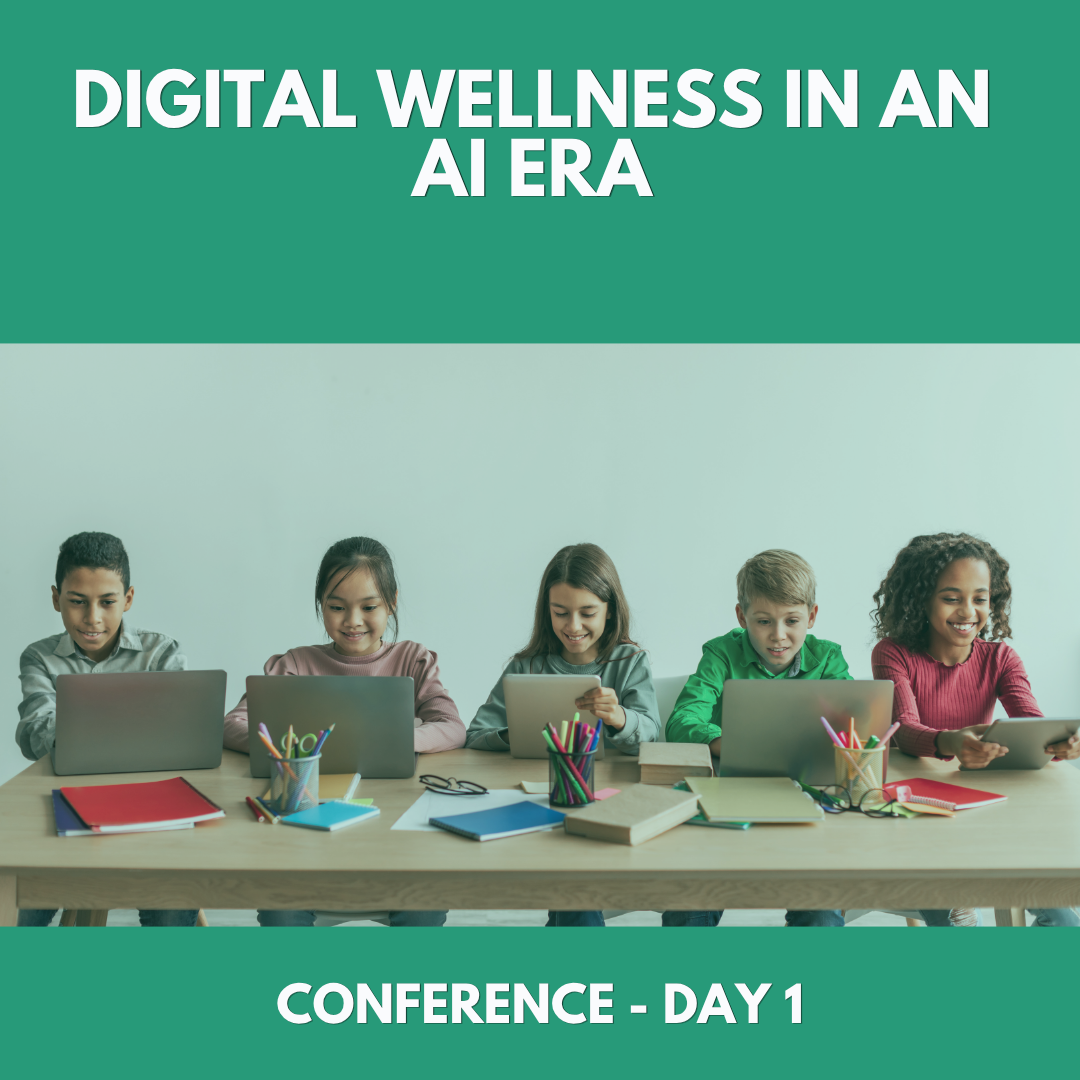
Digital Wellness in an AI Era: Practical Strategies for Educators and Clinicians
Presented by Lisa Porter, DCP, CCC, CCS
Children, adolescents, and adults are navigating a world increasingly shaped by social media, smartphones, artificial intelligence, and constant digital connectivity. These technologies are influencing how people learn, communicate, form relationships, seek support, and experience mental health challenges. Educators and clinicians are often left wondering how to respond effectively while supporting wellbeing in a rapidly changing environment.
This practical workshop provides evidence-informed strategies for promoting digital wellness in schools, counselling settings, healthcare environments, and community programs. Participants will explore the relationship between technology use and mental health, including concerns related to anxiety, depression, social comparison, sleep disruption, attention difficulties, cyberbullying, FoMO, emotional regulation, and social connection.
Drawing on current research and real-world examples, the workshop will examine how artificial intelligence and digital technologies are changing learning, help-seeking behaviours, and interpersonal relationships. Participants will learn practical approaches for supporting healthy technology habits, strengthening resilience, fostering critical thinking, and helping young people navigate online spaces safely and responsibly.
Key areas of focus:
- The relationship between technology use and mental health
- Supporting healthy technology habits and digital wellbeing
- Strengthening resilience and critical thinking
- Helping young people navigate online spaces safely and responsibly
- AI companionship and changing help-seeking behaviours
- Academic integrity in the age of generative AI
- Ethical considerations surrounding AI in educational and clinical settings
The workshop will also address emerging issues such as AI companionship, academic integrity in the age of generative AI, and the ethical considerations surrounding the use of AI in educational and clinical settings. Rather than focusing solely on restricting technology use, participants will explore ways to work with these tools constructively while maintaining the human connection that remains central to learning, development, and therapeutic change.
Practical strategies for a changing digital world
Through case studies, discussion, and practical applications, attendees will leave with concrete strategies that can be implemented immediately to support mental health, digital wellbeing, and healthy engagement with technology across a variety of educational and clinical contexts.