, , ,

Navigating the Digital Future: AI, Wellbeing, and Human Connection

$229.00

6 Hours  |   Pre-approved for CEU’s

Presenter
Presented by Lisa Porter, DCP, CCC, CCS
Date and Format
November 18, 2026
somdn_product_page

LIVE STREAM: November 18, 2026 from  8:30am – 4:00pm (Saskatoon, SK) Please adjust your start time according to your specific time zone. 

ON-DEMAND: Recorded footage & course content (certificate, videos, quiz) will be available until January 4, 2027. Please allow 3 – 10 business days for footage to be processed. Extensions cannot be granted under any circumstances.


On behalf of Jack Hirose & Associates, welcome and thank you for joining us. We are delighted to bring together educators, school counsellors, psychologists, administrators, therapists, and helping professionals from across Canada for three days of practical, evidence-informed learning.

Throughout the conference, you will gain practical, research-informed strategies to support the mental health, resilience, and success of children and youth. Through sessions led by leading experts, participants will explore topics including emotional regulation, trauma-informed practice, Indigenous perspectives, neurodiversity, and evidence-based approaches for supporting students facing today’s increasingly complex challenges.

We hope you enjoy the conference and leave feeling inspired, connected, and equipped with new ideas to support the children, youth, families, and communities you serve.


Day One | November 18, 2026

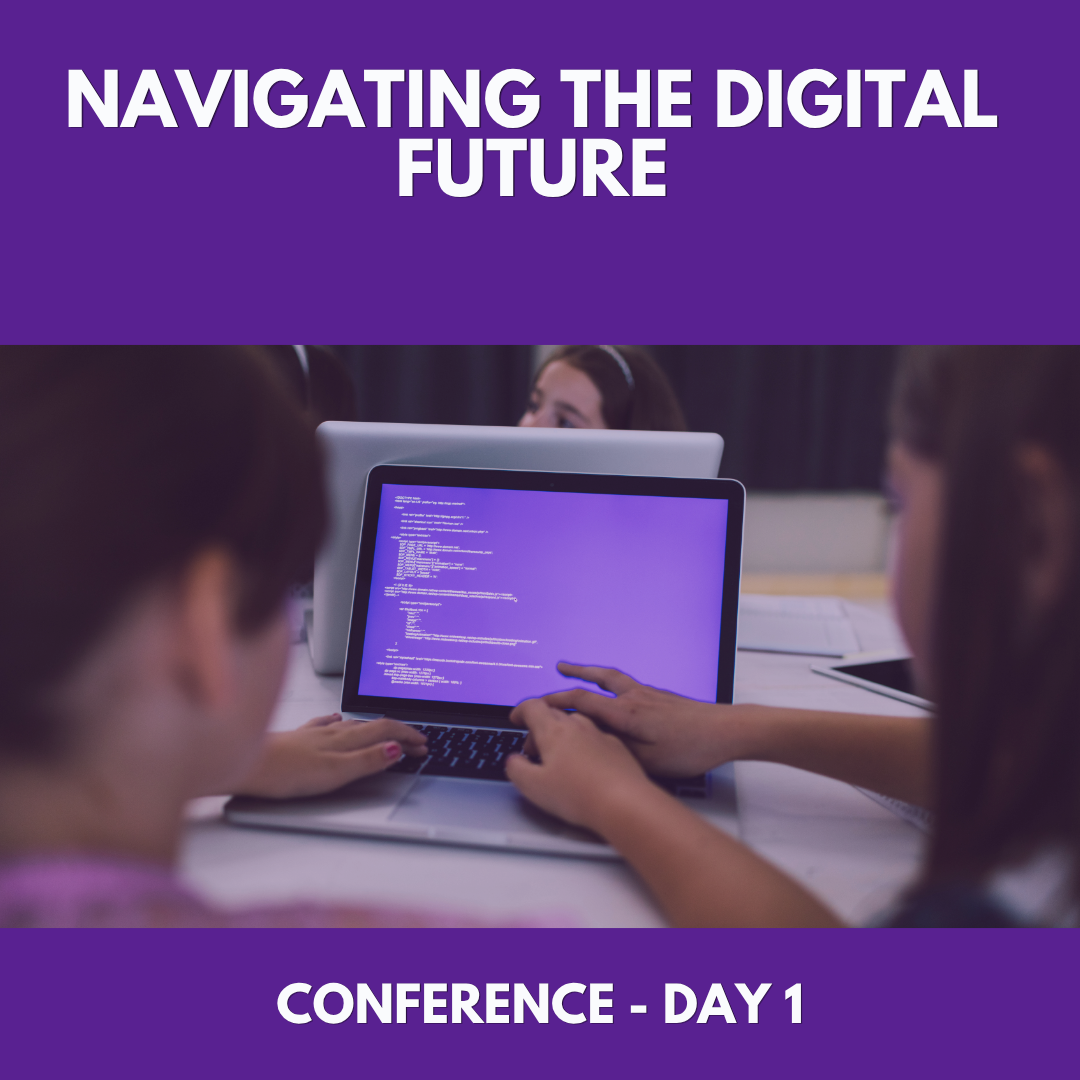
Navigating the Digital Future: AI, Wellbeing, and Human Connection
Presented by Lisa Porter, DCP, CCC, CCS

8:30am – 4:00pm   November 18, 2026

WORKSHOP DESCRIPTION

Artificial intelligence, social media, smartphones, and other digital technologies are transforming how people learn, communicate, work, form relationships, and seek support. For educators, clinicians, therapists, and allied health professionals, these changes present both exciting opportunities and complex challenges. Understanding how to respond effectively has become an essential professional competency.

This workshop explores the intersection of artificial intelligence, digital wellness, education, and mental health. Drawing on current research, real-world examples, and hands-on demonstrations, participants will examine how emerging technologies are reshaping learning, wellbeing, communication, and professional practice across educational and clinical settings.

Participants will explore practical applications of AI that can enhance accessibility, support individualized learning and intervention, streamline administrative tasks, and foster creativity and engagement. At the same time, the workshop will examine the broader impacts of technology on mental health and human development, including concerns related to attention, anxiety, social comparison, sleep, emotional regulation, online relationships, and digital dependency.

The workshop will also address emerging issues that are increasingly relevant to educators and clinicians, including AI companionship, changing help-seeking behaviours, academic integrity in the age of generative AI, privacy and data security, and the ethical implications of integrating AI into educational and therapeutic environments. Participants will critically examine both the promises and limitations of these technologies while considering how to maintain professional judgment, ethical practice, and meaningful human connection.

Rather than framing technology as something to embrace uncritically or resist entirely, this workshop encourages a balanced and thoughtful approach. Participants will explore strategies for helping children, adolescents, and adults engage with digital technologies in healthy, purposeful, and responsible ways while leveraging the benefits these tools can offer.

Through case studies, discussion, and practical applications, attendees will leave with concrete strategies, useful resources, and a deeper understanding of how AI and digital technologies are shaping the future of education, mental health, and human connection.
  • Describe how artificial intelligence and digital technologies are transforming education, mental health, communication, and professional practice.
  • Identify practical opportunities to use AI and digital technologies to enhance accessibility, learning, intervention, and service delivery.
  • Evaluate the impact of digital technologies on wellbeing, human development, and interpersonal relationships.
  • Analyze ethical, relational, and professional issues associated with integrating AI into educational and clinical environments.
  • Develop balanced, evidence-informed approaches for incorporating AI and digital technologies into professional practice while promoting wellbeing and preserving meaningful human connection.

Lisa Porter, DCP, CCC, CCS, started her career as a high school teacher, working in the public education in both Alberta and BC. She later transitioned into high school counselling, where she spent ten years supporting student mental health and wellbeing. Upon completing her doctoral degree in Counselling and Psychotherapy, Lisa moved into higher education and now teaches in both Master of Education and Master of Counselling programs, preparing future educators and mental health professionals for professional practice.

Lisa’s research and professional presentations focus on the impact of social media, artificial intelligence, and digital technologies on mental health, education, and professional practice. Her work emphasizes practical, evidence-informed approaches that help educators and clinicians respond thoughtfully to the opportunities and challenges presented by emerging technologies. Her other research interests include harmonizing practitioner and scholar models in higher education, collaborative leadership within complex systems, and promoting youth voice in education and mental health. Lisa is co-author and co-editor of School Counselling in Canada: A Comprehensive Guide (2025).

Education and Clinical Professionals: All education and mental health or healthcare professionals who work with children or youth including, but not limited to K–12 Classroom Teachers, School Counsellors, Learning Assistance/Resource Teachers, School Administrators, School Paraprofessionals including Special Education Assistants, Classroom Assistants and Childcare Workers • All other professionals who support behavioural challenges and complex learning needs including but not limited to: Nurses, Social Workers, Psychologists, Clinical Counsellors, Family Therapists, Occupational Therapists, Speech Language Pathologists, Addiction Counsellors, Youth Workers, Mental Health Workers, Probation Officers and Community Police Officers.

Shopping Cart