


Description

Join leading clinicians and researchers for a two-day virtual conference exploring evidence-informed, integrated approaches to trauma, addictions, and complex co-occurring mental health conditions. This conference brings together neuroscience, psychotherapy, medical perspectives, Indigenous healing frameworks, and skills-based interventions to support effective, individualized care.
This conference is designed for mental health professionals and allied health practitioners. Sessions emphasize practical tools, interdisciplinary collaboration, and contemporary clinical frameworks that move beyond rigid diagnostic models toward holistic healing and long-term recovery.
LIVE STREAM: April 15 – 16, 2026 from 8:30am – 4:00pm PST (Vancouver, BC) Please adjust your start time according to your specific time zone.
ON-DEMAND: Access Expires: May 25, 2026 – Recorded footage & course content certificate, videos, quiz. Please allow 3 – 5 business days for footage to be processed. Extensions cannot be granted under any circumstances.
April 15, 2026 | Day One
 Remodeling Mental Health: Combining Multi-Disciplinary Advances
Presented by John Arden, Ph.D.
8:30am – 10:00am (90 minute session)
This session examines the major shift underway in mental health care as traditional diagnostic and treatment models give way to integrated, science-informed approaches. Drawing on advances in neuroscience and multidisciplinary research, Dr. Arden explores how mental health challenges emerge from dynamic interactions among brain networks, biology, environment, culture, and lived experience. Participants will be introduced to emerging frameworks that move beyond siloed therapeutic models toward a cohesive understanding of the brain–body system as an interconnected whole.
MID MORNING BREAK: 10:00AM – 10:15AM
 Post-Traumatic Growth: Healing Emotional & Psychological Trauma
Presented by Carissa Muth, Psy.D.
10:15am – 11:45am (90 minute session)
This workshop introduces clinicians to Post-Traumatic Growth (PTG), a framework that extends beyond symptom reduction to explore how individuals can experience psychological growth following adversity. Distinguishing resilience from growth, Dr. Muth outlines the five domains of PTG and offers practical strategies for supporting meaning-making, narrative reconstruction, and existential inquiry in clinical work. Participants will learn how to compassionately hold space for suffering while fostering transformation and deeper authenticity.
Lunch Break: 11:45AM – 12:30PM
 Conquering Anxiety: Concrete Strategies for Helping Your Anxious Client
Presented by Caroline Buzanko, Ph.D.
12:30PM – 1:30PM (60 minute session)
This practical session provides evidence-based interventions to help anxious clients build an internal locus of control and effectively manage anxiety. Using a transdiagnostic approach, participants will gain specialized tools that go beyond foundational strategies, leaving with a versatile toolbox of concrete interventions applicable across anxiety presentations and levels of severity.
Break: 1:30PM – 1:45PM
 Borderline Personality Skills Training
Presented by Jeff Riggenbach, Ph.D.
1:45PM – 2:45PM (60 minute session)
This one-hour workshop introduces clinicians to skills-based approaches for working effectively with individuals who experience borderline personality features. Drawing on DBT-informed strategies and neurobiological insights, the session explores why traditional insight-oriented interventions often fall short and how targeted skills training can support emotional regulation, reduce impulsive behaviors, and improve relational stability. Participants will leave with clear, teachable tools ready for immediate use in practice.
Break: 2:45PM – 3:00PM
Treating Young Adults with Co-Occurring Mental Health Conditions in an Inpatient Treatment Setting
Presented by Dr. Johann Blignaut, M.B.Ch.B., CCFP & Craig Extine M.A., RCC
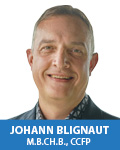
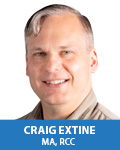
3:00PM – 4:00PM (60 minute session)
This session draws on research and clinical experience in treating young adults (19+) with complex co-occurring mental health conditions in inpatient settings. Presenters explore common presenting issues, unique developmental considerations, and the challenges and advantages of inpatient treatment within mixed-cohort environments. An interdisciplinary treatment approach is discussed, addressing trauma, substance use, addictions (including gambling), mood and anxiety disorders, and significant medical conditions such as persistent pain.